Understanding Safe Sleep Basics
One of the most important steps for new parents is creating a safe sleep environment to reduce the risk of SIDS (Sudden Infant Death Syndrome) and other sleep-related dangers. SIDS is the unexpected death of a seemingly healthy baby during sleep, and while the exact cause isn’t fully known, research shows certain practices can greatly lower the risk.
The ABCs of safe sleep are simple but powerful:
- Alone: Your baby should sleep alone in their own crib or bassinet, not in your bed.
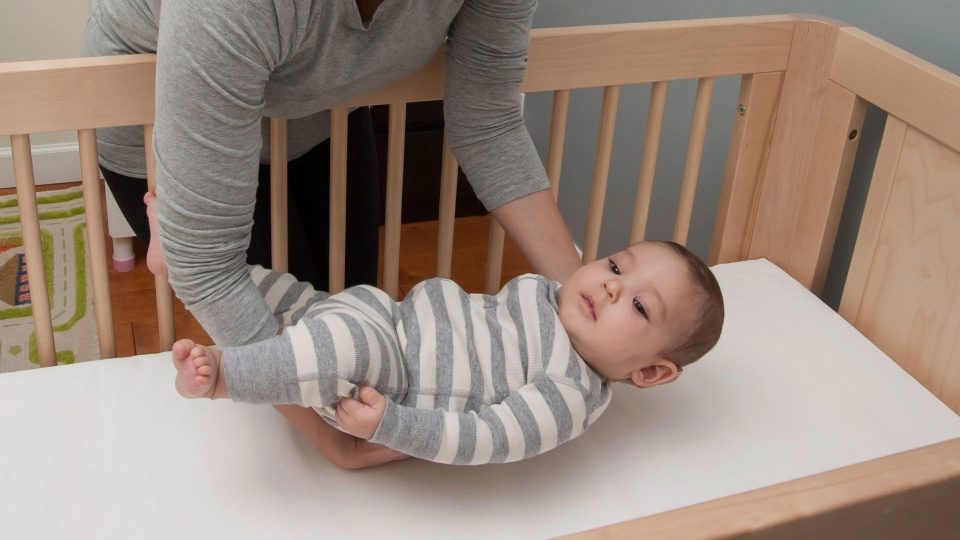
- Back: Always place your baby on their back to sleep, for naps and at night.
- Crib: Use a firm, flat sleep surface like a crib or bassinet with a fitted sheet only.
Following these guidelines reduces the chances of airway blockage, overheating, and accidental suffocation. It’s also why the American Academy of Pediatrics (AAP) recommends these safe sleep practices. When your newborn sleeps safely alone, on their back, and in a proper sleep space, you are giving them the best start for a healthy, safe sleep environment.
Choosing the Right Sleep Space for Your Newborn
Picking the right place for your baby to sleep is key to creating a safe and comfortable sleep environment. The best options are a crib, bassinet, or a portable play yard that meets current safety standards. Look for products that are CPSC-approved and avoid outdated models like drop-side cribs, which are no longer considered safe.
Make sure the mattress is firm and flat, covered only with a fitted sheet designed for your sleep space. Soft or loose bedding can increase the risk of suffocation. It’s important to avoid unsafe alternatives like adult beds, couches, or inclined sleepers, as these pose serious hazards and raise the risk of sleep-related incidents.
For more detailed advice on choosing safe sleep gear and the right sleep routines, you might find helpful tips in this guide on managing baby sleep effectively.
Ideal Room Setup and Location
Room-sharing without bed-sharing is one of the safest practices recommended for newborns. Keeping your baby’s crib, bassinet, or portable play yard in your bedroom for at least the first 6 to 12 months helps reduce the risk of SIDS and makes monitoring easier, especially during night feeds and diaper changes.
Why room-sharing helps:
- Baby stays close, so you respond quickly to needs
- Promotes better sleep for both baby and parents
- Supports safer sleep by avoiding bed-sharing risks
How to arrange the sleep space safely:
| Tips for Setup | Details |
|---|---|
| Place the crib or bassinet | Against a wall, within your bedroom |
| Keep the area clutter-free | No cords, blinds, toys, or pet access |
| Ensure clear pathways | Easy for you to access the baby anytime |
| Maintain good airflow | Avoid overheating and stuffy surroundings |
Hazards to avoid:
- Dangling blind cords or curtain ties
- Loose electrical cords near crib
- Pets sleeping near or on the baby’s sleep space
Keeping the sleep environment free of hazards and within close reach supports your newborn’s safety and comfort through those crucial first months. For more tips on looking after your newborn’s overall wellbeing, check out our guide on how to look after your baby’s health.
Sleep Position and Swaddling
Always place your newborn on their back for both naps and nighttime sleep. This back to sleep position is the safest and greatly reduces the risk of SIDS. Never put your baby on their tummy or side to sleep, as these positions increase sleep-related risks.
Once your baby is around 4 to 6 months old and can roll both ways on their own, it\’s usually safe to stop repositioning them onto their back. At this stage, babies have more control over their movements, but you should still maintain safe sleep practices.
When it comes to swaddling, use safe techniques to keep your baby snug but never too tight, especially around the hips and chest. Make sure their legs can move freely to avoid hip problems. Transition out of swaddling once your baby starts showing signs of rolling to prevent any risk of suffocation. At that point, sleep sacks for newborns are a safer alternative to keep them warm and cozy without loose blankets around.
For more on keeping your baby cool and comfortable while sleeping, check out these helpful tips on temperature management and layers.
Keeping the Sleep Area Bare and Clutter-Free
Creating a safe sleep environment means keeping the crib bare—no pillows, blankets, bumper pads, stuffed animals, or toys. Soft bedding and loose items can increase the risk of suffocation and other sleep-related dangers like SIDS. It’s best to avoid anything that could cover your newborn’s face or restrict movement.
For warmth, use wearable blankets or dress your baby in appropriate layers instead of loose blankets. These alternatives keep your baby cozy without the risk of overheating or smothering. If you want to learn more about keeping your baby comfortably warm without unsafe bedding, check out helpful tips for keeping babies comfortable and safe during sleep.
Temperature, Lighting, and Noise Control
Creating a comfortable sleep environment means paying attention to room temperature, lighting, and noise. Keep your newborn’s room between 68-72°F—this range helps prevent overheating, one of the risks linked to SIDS. Signs your baby may be too hot include sweating, flushed cheeks, or rapid breathing. Dress your baby in one layer more than you would wear comfortably to avoid overheating without adding bulky blankets.
Darkness is a great cue for sleep. Use blackout curtains or dim the lights to help your baby settle down easily. For noise, gentle white noise can mimic the womb’s sounds and soothe your newborn, but keep the volume low and avoid sudden loud noises to prevent overstimulation.
By controlling temperature, lighting, and noise carefully, you’ll support a safe, calm space that helps your baby rest well. For tips on creating a cozy sleep setup that supports feeding and growth, check out this ultimate guide to baby sleep.
Additional Risk Reduction Strategies
To keep your newborn’s sleep environment as safe as possible, there are a few extra steps that can make a big difference. Breastfeeding is one of the most effective ways to help reduce the risk of SIDS. It promotes a stronger immune system and supports healthier sleep patterns. Once breastfeeding is well established, offering a pacifier at nap time and bedtime can also lower SIDS risks, but avoid forcing it if your baby doesn’t take one naturally.
It’s crucial to keep your baby away from smoke exposure, alcohol, and drugs, as these increase the chances of sleep-related dangers significantly. Creating a smoke-free environment is a must for safe sleep.
Lastly, supervised tummy time during your baby’s awake periods strengthens muscles and supports development, making it easier for them to move safely as they grow. For tips on tummy time benefits and safe ways to practice it, check out this helpful guide on the benefits of tummy time and how to do it safely.
By combining these practices with the ABCs of safe sleep, you dramatically improve safety and comfort for your newborn’s sleep environment.
Common Myths and Mistakes to Avoid
When it comes to safe sleep for newborns, some popular ideas can actually increase risks rather than reduce them. For example, placing a baby on their side to sleep isn’t safe. The American Academy of Pediatrics (AAP) recommends the back to sleep position as the safest way to reduce the risk of SIDS. Using sleep positioners or wedges is also dangerous because they can cause suffocation or restrict breathing.
Many parents believe weighted blankets or hats indoors help babies sleep better, but these can cause overheating or obstruct breathing. Overdressing your newborn is another common mistake—too many layers raise the risk of infant overheating, which is linked to sleep-related dangers. Keep your baby comfortably dressed in one layer more than an adult would wear.
If your baby has reflux or tends to spit up, the best advice is to keep them on their back but slightly elevate the mattress or their head if recommended by your pediatrician. Avoid propping the baby up or placing them on their stomach to reduce reflux, as this goes against safe sleep guidelines. For more tips on managing feeding and reflux, you might find helpful advice on common feeding problems.
Sticking to these safe sleep habits will help you create a secure environment for your newborn, reducing risks while keeping your baby comfortable.
Transitioning as Baby Grows
Around 4 to 6 months, your baby begins to roll over and may start sleeping longer stretches at night. This is a key time to reassess their safe sleep environment and habits. Even as your newborn becomes more mobile, continue practicing the ABCs of safe sleep—baby should always sleep Alone, on their Back, in a Crib with a firm mattress and no loose bedding.
Many parents wonder when to move their baby to a separate room. The American Academy of Pediatrics (AAP) suggests room-sharing without bed-sharing for at least the first 6 to 12 months, as this significantly lowers SIDS risk. However, if your baby is ready for their own room and you choose to make the transition earlier, ensure the sleep space maintains all safe sleep guidelines.
Throughout the first year, it\’s important to keep following safe sleep recommendations, even as your baby’s sleep patterns change. Swaddling should be replaced with a sleep sack once your little one shows signs of rolling, and always avoid adding pillows, blankets, or toys to their sleep area.
Maintaining these safe sleep practices helps ensure your baby’s environment stays as secure and comfortable as possible as they grow. For tips on how your baby’s development affects sleeping routines, check out this guide on your baby’s growth and development.